Ten years of building with frontier technology.
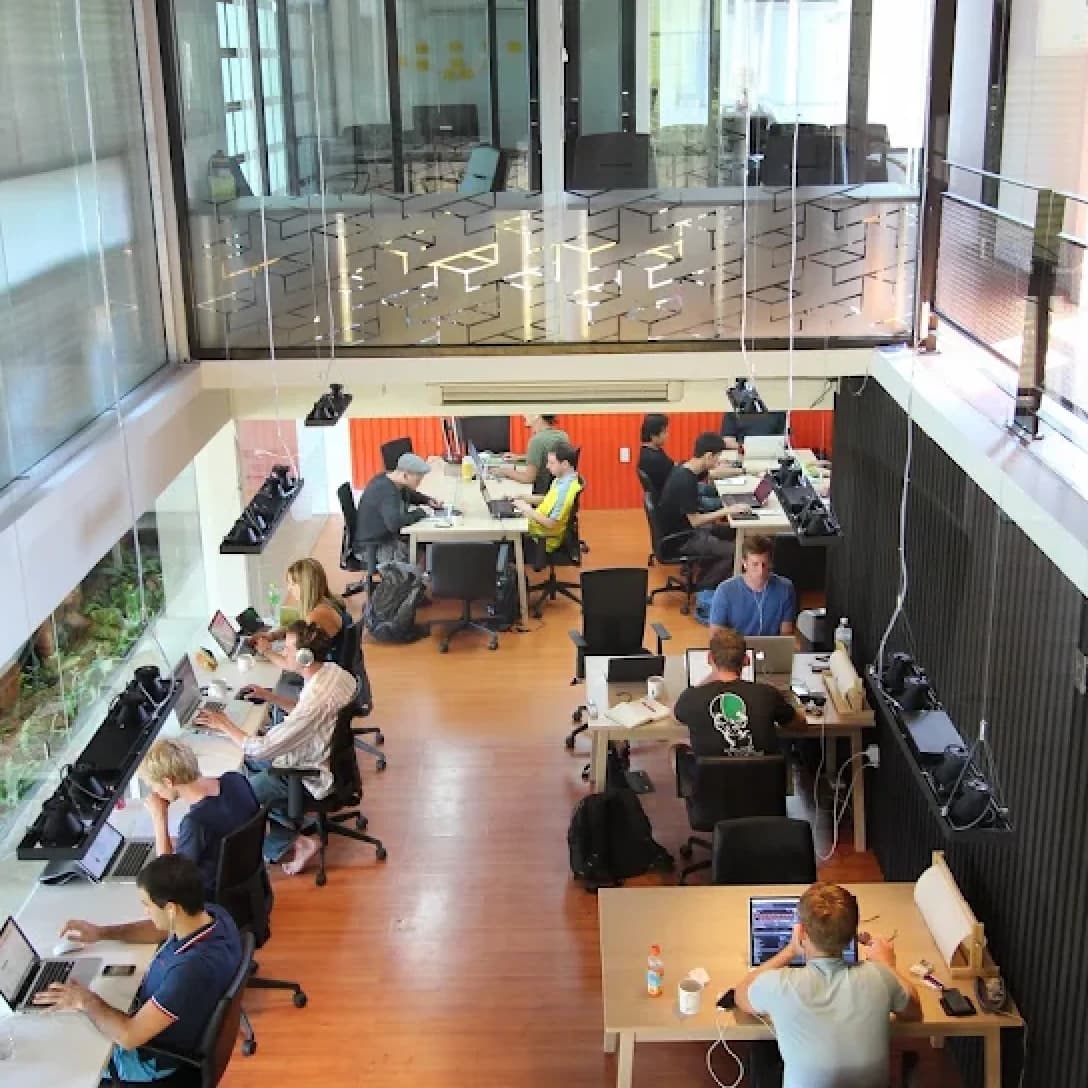
It started at Punspace
in Chiang Mai.
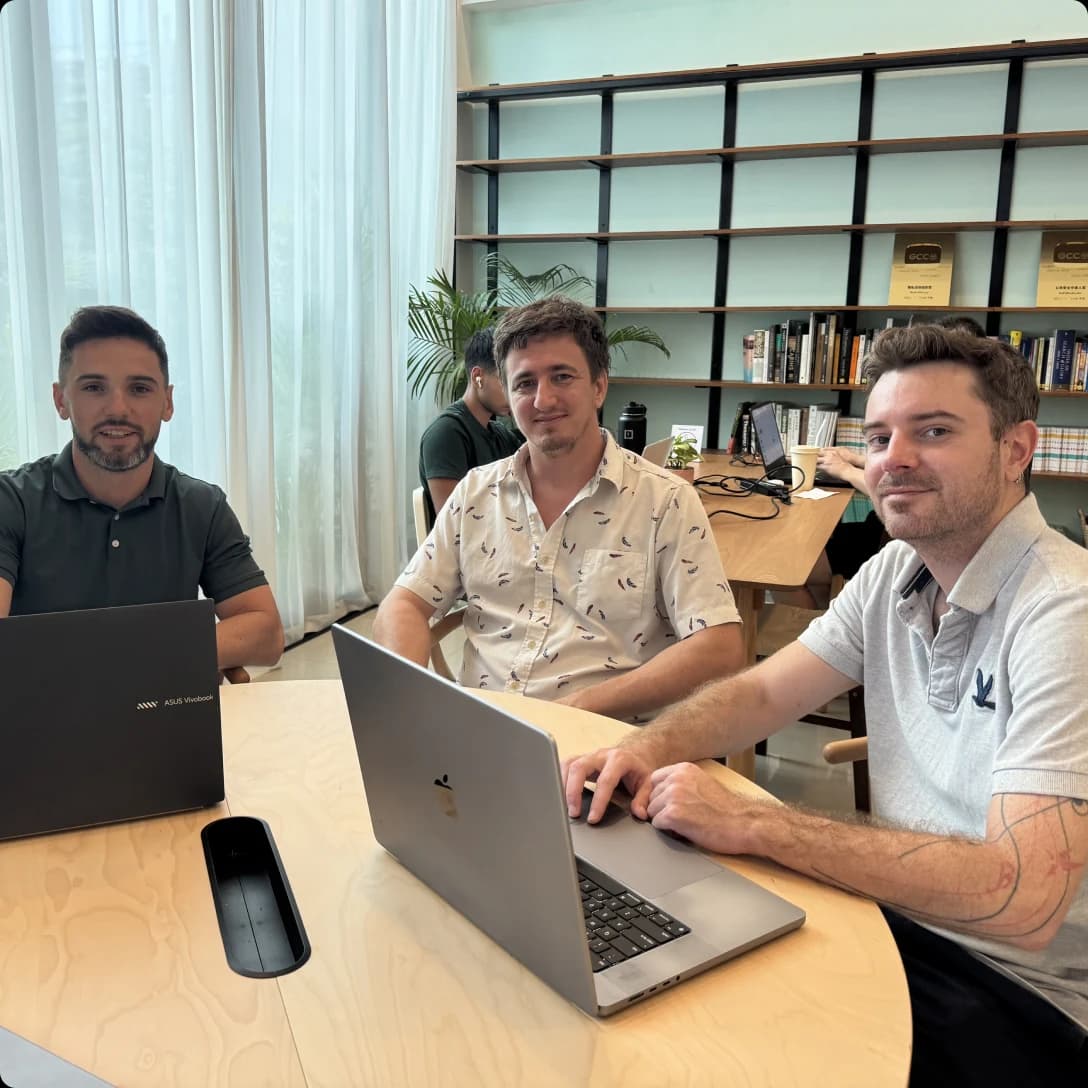
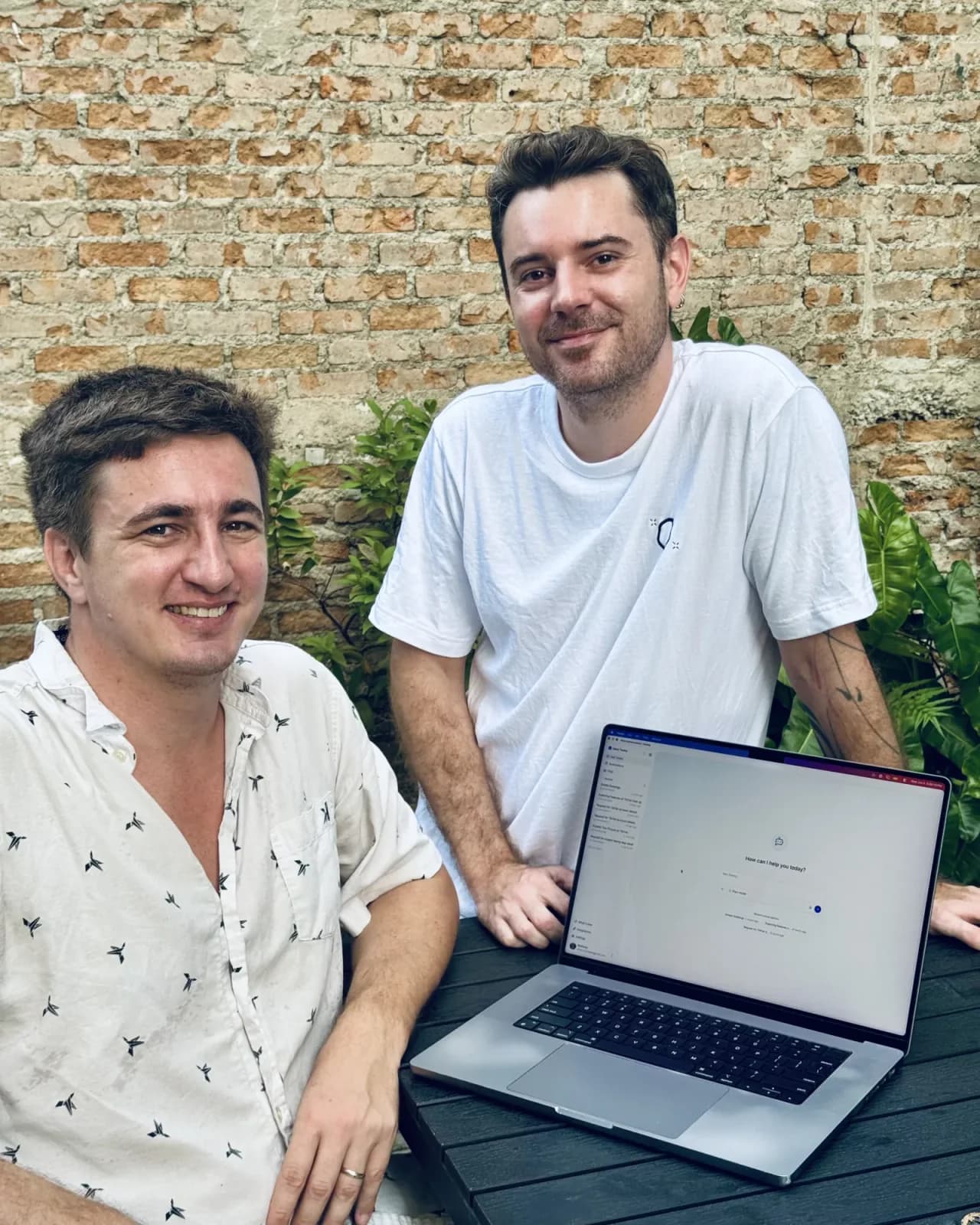
We met ten years ago at Punspace, a coworking space in Chiang Mai Thailand, while traveling around south east asia. We had already spent years building products, but from different sides and expertises.
Anthony came from a software engineering background, building startups and technical systems. Emmanuel came from a product design expertise, with a focus on making complex ideas easier to understand and use.
Technology and entrepreneurship gave us plenty to talk about. We shared the same desire to build products of our own and agreed on the kind of role technology should play: take complexity away from people, so they can focus on what they want to create.
MESG taught us
how to build together.
In 2017, Anthony co-founded with partners MESG, an open-source project designed to help developers connect applications, services and blockchain systems. The team raised $500,000 to build it.
The idea was ambitious, and the technology was still early. Much of the infrastructure the project needed did not exist yet. Building MESG meant working close to the technical foundations and solving problems as they appeared.
Emmanuel joined in 2019 and worked across the product and its visual communication. A large part of that work involved turning dense architecture into interfaces, diagrams and educational material for developers.
It was the first time our different skills came together around the same problem. That way of working became the foundation for what came next.
Liteflow became our
first company together.
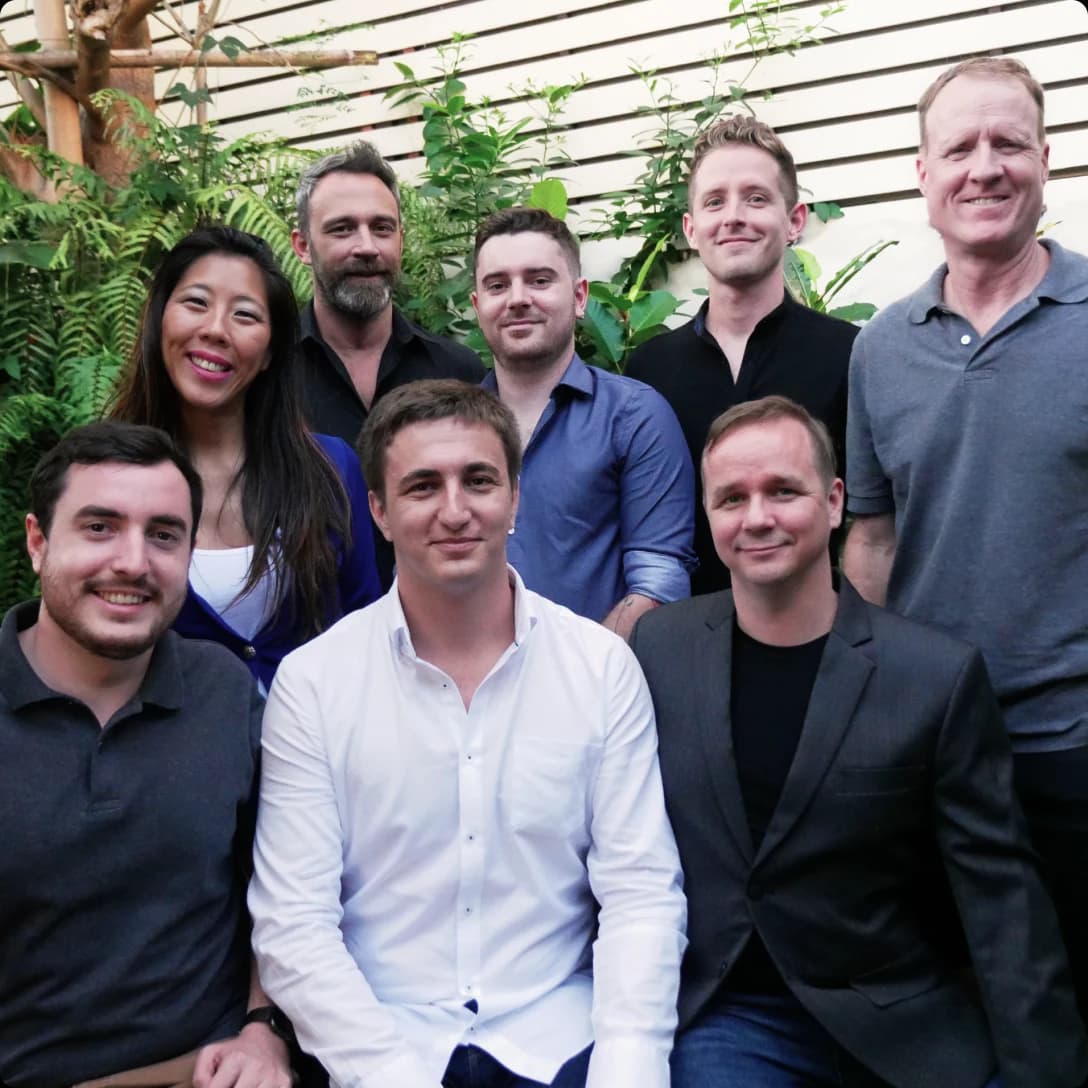
In 2020, we took that experience into Liteflow, a Web3 infrastructure company we co-founded with partners. We built the technical foundations companies needed to use blockchain without assembling everything themselves.
Over the following years, Liteflow's infrastructure helped facilitate more than $100 million in on-chain value. We worked with organizations including Animoca Brands, Lamborghini, Coinsilium, G2A, and more.
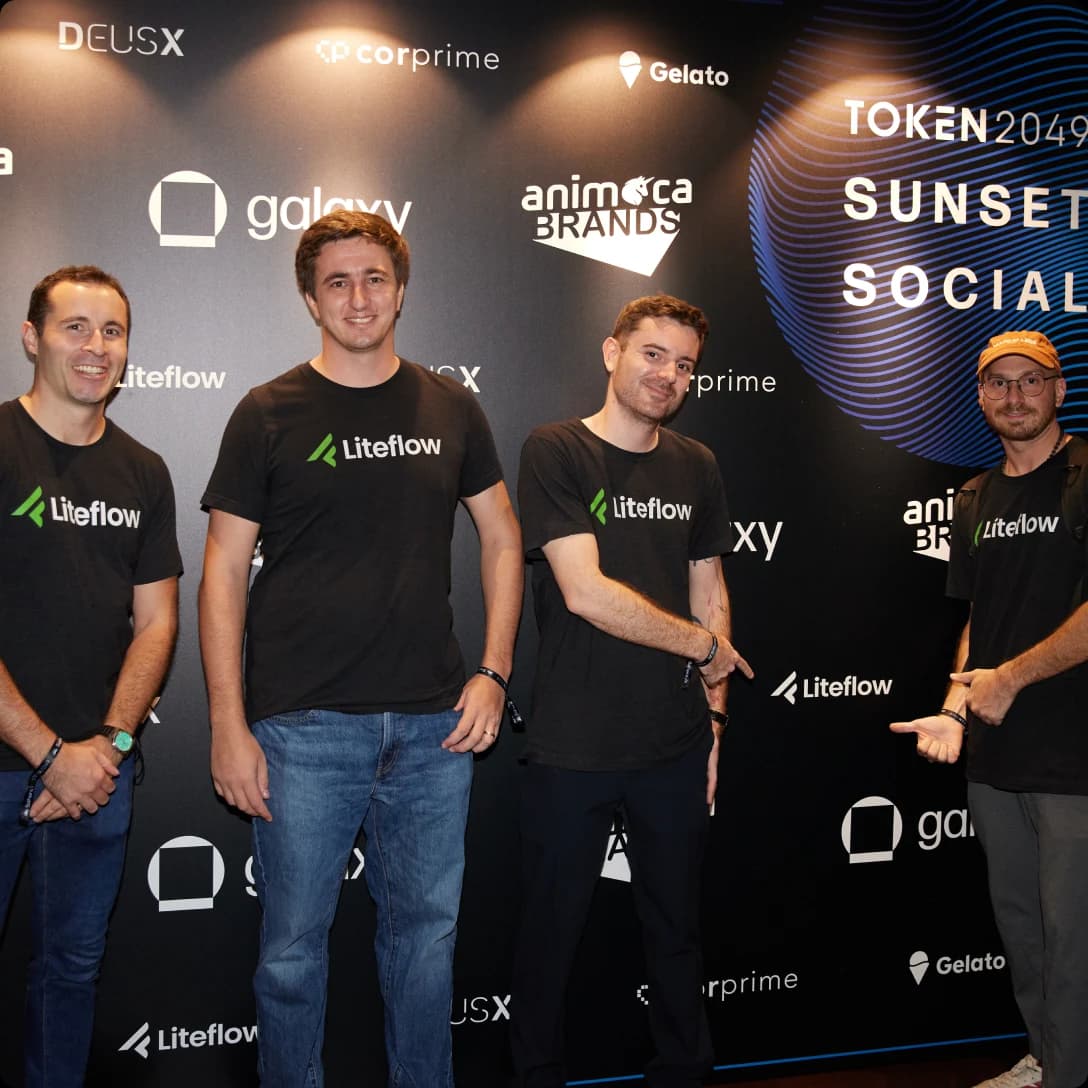
Our involvement went beyond building the infrastructure. We spoke on panels, organized events, supported startups and worked with industry groups such as OMA3 and the Blockchain Game Alliance to make Web3 easier to adopt.
Those years gave us experience on both sides of emerging technology. We knew how to build the difficult technical layer, but we also understood that adoption depended on how clearly people could access and use it.
AI started as a
personal experiment.
In 2024, in our own time, we started experimenting with AI. We had always been drawn to technologies that could change how people build and work, and this one quickly felt different.
Most agentic tools at the time were made for developers and coding. We saw room for agents that could work across the tools and workflows that run a business.
The capability and opportunity was there, but the complexity still sat with the people trying to use it.
That exploration
led us to Orbyte Labs.
In 2025, we created Orbyte Labs to explore that opportunity. Teamy followed in early 2026 as our first AI product for business operations.
Building Teamy made the missing pieces clear. Builders still had to connect models, data, tools and runtime systems before they could create an agentic product. We built those pieces for Teamy. They now shape the technology we develop inside Orbyte and use in the products we build with companies.
Ten years after meeting in Chiang Mai, the technology has changed again. The reason we build has not. We still want to solve the difficult parts and make the result simpler for the people building on top.